

What if the harder you fight to fall asleep, the more you're actually signaling your brain to stay alert? It's 2:14 AM and your mind is racing through tomorrow's to-do list while you stare at the ceiling. You aren't alone in this struggle. Over 30% of adults globally report chronic sleep issues according to a 2023 study by the Sleep Foundation. Searching for effective insomnia tips often feels overwhelming when you're already dealing with 2:00 PM brain fog and the anxiety of another restless night.
You deserve a better way to rest. We've curated science-backed strategies designed to quiet the mental noise and reclaim deep, restorative sleep starting tonight. Our simplified approach focuses on high-impact methods that work with your biology, not against it. We promise to show you how to fall asleep within 20 minutes of hitting the pillow so you can wake up feeling sharp and energized. We'll explore the mechanics of your circadian rhythm and provide a repeatable evening routine that eliminates the guesswork. Advanced wellness. Simplified. Ready to feel the difference?
Key Takeaways
- Master your internal biological clock and optimize melatonin production for seamless, science-backed sleep transitions.
- Create a high-performance sleep sanctuary using the "Cave Method" and clinical temperature regulation for deeper recovery.
- Implement actionable insomnia tips like the 10-3-2-1-0 countdown to systematically quiet your mind before bed.
- Support your body’s sleep architecture with advanced adaptogens that lower cortisol and promote restorative rest.
- Differentiate between acute and chronic sleep patterns to find the right simplified solution for your specific needs.
What is Insomnia? Understanding the Barriers to Rest
Insomnia is more than just a missed night of sleep. It's a persistent disruption that affects your ability to function. The American Academy of Sleep Medicine defines insomnia through three distinct patterns: difficulty falling asleep, trouble staying asleep, or waking up feeling unrefreshed despite spending eight hours in bed. About 30% of adults experience short-term sleep issues, while 10% suffer from chronic patterns that last for months. Understanding these insomnia tips starts with recognizing that your rest quality is a biological metric, not just a lifestyle choice.
Acute insomnia typically lasts for a few days or weeks. It often stems from temporary life stressors or schedule changes. Chronic insomnia is more rigid, occurring at least three times per week for three months or longer. When you're in this state, your brain enters "hyperarousal." Even when your muscles feel like lead, your central nervous system stays in a high-alert mode. This creates a physiological gap between being exhausted and being able to drift off. Optimal rest. Simplified.
Our approach shifts the focus from over-medicalizing your night to optimizing your biology. By addressing the root causes of high-alert brain states, you can align your internal clock with your body's natural recovery needs. Science-backed. Results-oriented.
Common Triggers for Sleep Disruptions
Psychological stress is the primary driver of the "tired but wired" phenomenon. When cortisol levels remain elevated past 8:00 PM, your body cannot transition into a restorative state. Environmental factors also play a critical role. Research shows that exposure to 450nm blue light from smartphones can suppress melatonin production for up to 90 minutes. Lifestyle habits, such as consuming caffeine with a six-hour half-life or eating heavy meals within three hours of bed, further complicate your metabolic readiness for rest.
- ✓ Light Pollution: Artificial brightness resets your circadian rhythm.
- ✓ Temperature: Room temperatures above 72°F disrupt the body's cooling cycle.
- ✓ Noise: Sudden sounds trigger micro-arousals that prevent deep sleep stages.
The Hidden Cost of Sleep Deprivation
The price of poor sleep is paid in cognitive and physical health. A single night of restricted sleep, roughly four hours, can lead to a 70% reduction in natural killer cell activity, which is vital for immune resilience. Your brain also relies on sleep for memory consolidation and emotional regulation. Without it, the amygdala becomes 60% more reactive to negative stimuli, making daily stressors feel overwhelming. This creates the "sleep anxiety" cycle. You worry about not sleeping, which increases adrenaline, which ultimately prevents the rest you need. Applying effective insomnia tips helps break this feedback loop. Clean Ingredients. Zero Compromise.
The Biology of Sleep: Why Your Brain Stays Awake
Your brain doesn't just click an off switch when you hit the pillow. It follows a complex 24-hour biological cycle known as the Circadian Rhythm. This internal clock, managed by the suprachiasmatic nucleus (SCN), regulates everything from your core body temperature to the specific timing of hormone release. A primary driver of your nightly exhaustion is adenosine. From the moment you wake up, adenosine builds up in your central nervous system, creating "sleep pressure." By the time you've been awake for 16 hours, these levels should be high enough to trigger a deep, restorative state. If your system is out of sync, the best insomnia tips always start with biological realignment.
The transition to rest is a hormonal tug-of-war between two main players: cortisol and melatonin. Cortisol provides the "get up and go" energy you need at 8:00 AM, while melatonin, often called the "vampire hormone," requires total darkness to thrive. When these two are in balance, you feel alert during the day and heavy-lidded at night. When they clash, your brain stays in a state of high alert long after the sun goes down. Simplified, your biology dictates your rest.
The Impact of Cortisol and Stress
Elevated cortisol is the primary enemy of deep sleep. When you experience stress during the day, your adrenal glands pump out cortisol to keep you prepared for action. If these levels don't drop by evening, they actively block the pineal gland from releasing melatonin. Research indicates that high evening stress can increase sleep latency by 25% or more. To manage these spikes, you must address daytime regulation. Check out our stress management guide for practical ways to lower your baseline cortisol before the sun sets.
Blue Light and the Suprachiasmatic Nucleus
Modern environments are flooded with a "soft blue glow" from digital screens. This light vibrates at a 480-nanometer wavelength, which mimics the high-intensity light of midday sun. When this light hits your retina, it sends a signal to the SCN that it's still daytime. This confusion can suppress your natural melatonin production by up to 22%, making it nearly impossible to drift off quickly. To fix this, follow these steps:
- Power Down: Turn off all LED screens 60 minutes before bed.
- Dim the Lights: Use warm, amber-toned lighting in the evening to signal the brain.
- Reset the Clock: Get 10 minutes of direct sunlight every morning to anchor your rhythm.
Science-backed rest is within reach when you respect your body's natural chemistry. If you're ready to support your internal clock, consider exploring advanced supplements designed to optimize your nightly recovery. Clean ingredients. Zero compromise.
Optimizing Your Sleep Environment: A Resource Checklist
Your bedroom must function as a dedicated recovery chamber. High-performance rest requires the "Cave Method." This strategy focuses on an environment that is dark, cool, and quiet. Clinical research from the National Sleep Foundation identifies 65°F (18°C) as the precise temperature for optimal thermoregulation. When your core temperature drops, your brain receives a biological signal that it's time for deep sleep. Environmental control, simplified.
Auditory hygiene is equally vital for uninterrupted rest. Constant sounds or sudden spikes in volume can pull you out of REM cycles. A 2022 study published in the Journal of Physiological Anthropology found that steady pink noise can improve sleep stability by 25% compared to silence. For physical support, prioritize ergonomic pillows that align the cervical spine. Proper alignment reduces cortisol spikes caused by physical discomfort. These are essential insomnia tips for anyone seeking a premium rest experience. Science-backed. Results-oriented.
Light Control and Darkness
Total darkness is a non-negotiable requirement for melatonin production. Install 100% blackout curtains to block streetlights. Use a contoured sleep mask for an extra layer of defense. Remove "hidden" blue light sources like digital alarm clocks and standby LEDs on televisions. Switch to amber-toned bulbs in the 2000K to 3000K range during the evening. This shift mimics the natural sunset; it signals your pineal gland to begin its nightly cycle without interference.
The Bed as a Sacred Space
Conditioning is the key to overcoming associative insomnia. Follow the "Sleep-Sex-Only" rule. Your brain must associate the mattress exclusively with rest and intimacy. Working or scrolling on a smartphone creates a mental link between the bed and high-beta brainwave activity. Clean habits. Zero compromise.
This principle extends to your entire sleep environment. Creating a visual atmosphere of peace and positivity can reinforce your brain's association of the bedroom with rest. For a unique way to incorporate calming, personal memories into your sanctuary, you can discover WoodSnap.
If you aren't asleep after 20 minutes, get out of bed. This "20-minute rule" prevents the frustration of tossing and turning from becoming a learned habit. Move to a different room with dim lighting. Perform a low-stimulation activity like reading a physical book until you feel a genuine wave of sleepiness. This protocol helps reset your internal clock quickly.
- ✓ 65°F Temperature Setting
- ✓ Blackout Curtains Installed
- ✓ No Electronics in Reach
- ✓ Ergonomic Spine Support
Ready to feel the difference?
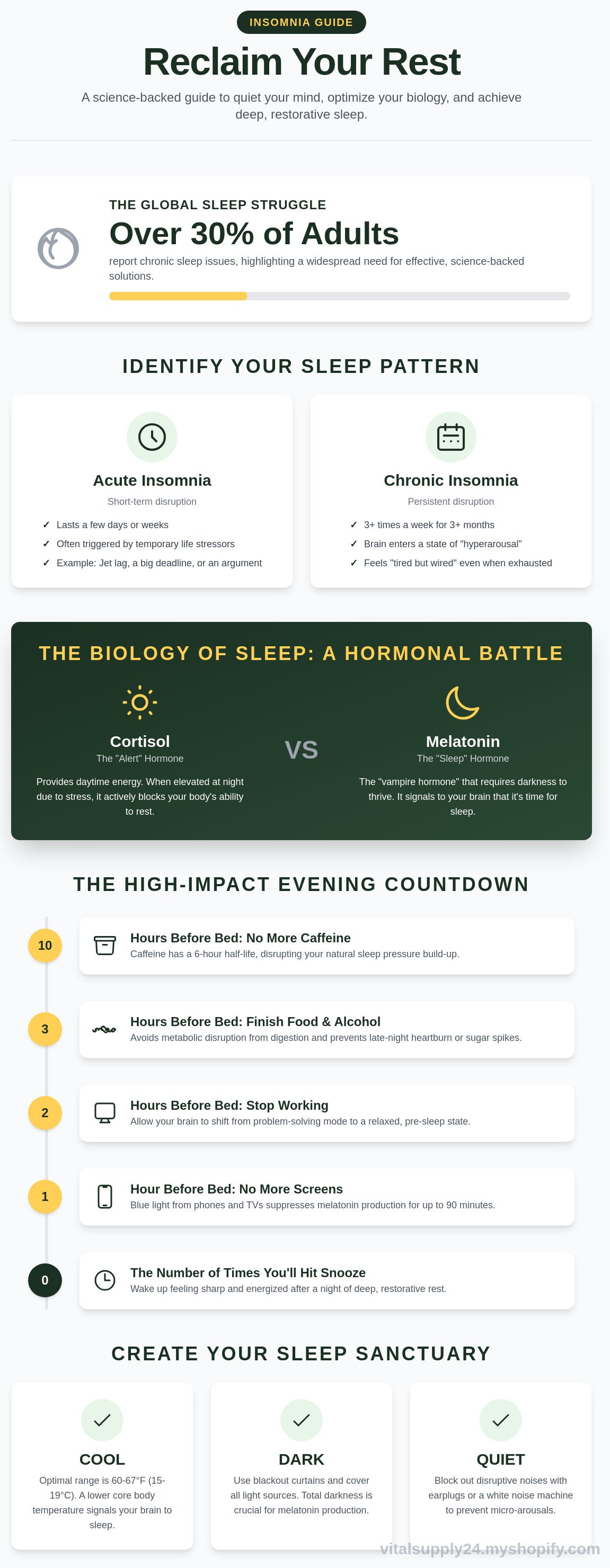
5 Practical Insomnia Tips for Immediate Relief
Restoring your sleep cycle requires a blend of biological timing and mental discipline. These insomnia tips focus on high-impact changes that deliver measurable results within 48 hours. By shifting your focus from "trying" to sleep to preparing your system for rest, you remove the psychological pressure that often fuels wakefulness.
The 10-3-2-1-0 Countdown
This simplified protocol creates a clear boundary between your active day and restorative night. It's designed to manage your neurochemistry and metabolic rate before you ever touch the sheets.
- 10 hours before bed: Stop all caffeine intake. It takes approximately 6 hours for just half of the caffeine in your system to clear.
- 3 hours before bed: Finish your last meal and stop drinking alcohol. Alcohol reduces REM sleep quality by 15 percent, even in small amounts.
- 2 hours before bed: Close the laptop and stop checking emails. Your brain needs this "buffer zone" to lower cortisol levels.
- 1 hour before bed: Eliminate all blue light from screens. Blue light can suppress melatonin production by up to 50 percent.
- 0: This is your hard deadline for sleep.
Behavioral Shifts for Better Rest
Consistency is the primary driver of your internal clock. To stabilize a broken cycle, you must prioritize your wake time over your bedtime. If you wake up at 7:00 AM every day, regardless of how much you slept, your body will eventually build enough "sleep pressure" to fall asleep earlier the following night. You can also implement a 15-minute "Worry Window" at 4:00 PM. Writing down your stressors during the day prevents them from surfacing as ruminating thoughts at 2:00 AM.
Physical tension often lingers even when the mind is quiet. Use Progressive Muscle Relaxation (PMR) by tensing and releasing each muscle group for 5 seconds, starting at your toes and moving to your jaw. If your mind is still racing, try cognitive shuffling. Pick a random word like "BEDTIME" and visualize neutral objects for each letter (e.g., Ball, Elephant, Door). This exercise disrupts the analytical thinking patterns that keep you awake.
Strategic napping can also help, provided you keep it under 20 minutes and finish before 3:00 PM. Anything longer steals from your "sleep debt" and makes it harder to drift off at night. Morning sunlight is equally vital. Getting 10 minutes of direct sun within 60 minutes of waking signals your brain to stop melatonin production and start the 16-hour countdown to your next sleep cycle.
Ready to optimize your nightly recovery? Shop our premium relaxation support
Advanced Support: Nutrients and Supplements for Deeper Rest
Stop relying on heavy sedatives that disrupt your natural sleep architecture. True rest comes from supporting your body's internal systems with targeted, clean nutrients. These insomnia tips focus on biological harmony rather than forced sedation. By using natural compounds, you help your brain transition into deep, restorative cycles without the morning grogginess. You deserve a solution that works with your biology, not against it.
Ashwagandha for Cortisol Regulation
High cortisol levels at night are a primary driver of wakefulness. KSM-66 Ashwagandha is a clinically studied adaptogen that helps balance your stress response. Clinical trials indicate that KSM-66 can reduce serum cortisol levels by up to 27% over a 60-day period. This reduction allows your nervous system to exit "fight or flight" mode and enter a state of recovery. For a deeper look at the science behind this powerful adaptogen, explore our Ashwagandha benefits guide.
Incorporating a high-quality Ashwagandha supplement into your evening ritual provides a simple, effective way to downshift. It's premium support that fits your lifestyle. Simplified.
Melatonin and Magnesium Essentials
Magnesium is essential for muscle relaxation and regulating GABA, the neurotransmitter that quiets the nervous system. Data suggests that 50% of adults don't get enough magnesium, making supplementation a vital move for physical tension. Combine this with Melatonin for a comprehensive approach. Use Melatonin as a strategic tool to reset your internal clock, not a permanent crutch. It's about timing and circadian rhythm. These insomnia tips work best when you pair minerals with smart hormone support.
- ✓ Third-party tested for purity
- ✓ Clinically studied dosages
- ✓ Bioavailable formulas
Our Neuro supplements offer a synergistic blend designed for cognitive rest. We've done the hard work of vetting the ingredients so you don't have to. Clean ingredients. Zero compromise. This advanced support ensures your brain has the nutrients it needs to shut down effectively.
Ready to Feel the Difference? Choose simplified wellness for your night.
Take Control of Your Nightly Rest
Restoring your natural sleep cycle starts with understanding your biology and curating a space designed for recovery. You've identified the barriers to rest and discovered how a few simple environmental adjustments can trigger your brain's internal "off" switch. Implementing these insomnia tips is your first step toward consistent, high-quality sleep. You don't have to navigate this journey alone; we've done the hard work of vetting the science so you can focus on resting. VitalSupply24 provides advanced support that is already trusted by 500,000+ customers worldwide. Every formula we offer is science-backed and undergoes rigorous third-party testing to ensure you receive the highest quality nutrients available today. Clean Ingredients. Zero Compromise. Sleep, Simplified. It's time to stop tossing and turning and start waking up refreshed. Simplified wellness means you get the right support for your specific goals without the guesswork.
Shop Simplified Sleep Support & Goli Gummies
Ready to feel the difference? Your best night's sleep is finally within reach.
Frequently Asked Questions
How can I stop my mind from racing when I try to sleep?
Practice a 5-minute "brain dump" by writing every task or worry on paper before getting into bed. This simple psychological offloading reduces cognitive arousal immediately. You can also use the 4-7-8 breathing method to lower your heart rate. It's a verified technique that shifts your nervous system from "fight or flight" to a relaxed state in under 60 seconds.
Is it okay to take melatonin every night for insomnia?
Short-term use of 1mg to 3mg is generally safe for up to 90 days. However, long-term daily use can mask underlying health issues or disrupt your natural hormone production. These insomnia tips are designed to help you build a sustainable rhythm. If you don't see results after 4 weeks, consult a physician to discuss your specific sleep architecture. Simplified wellness starts with professional guidance.
What is the best temperature for a bedroom to help with sleep?
Set your thermostat to 65 degrees Fahrenheit (18.3 degrees Celsius) for optimal rest. The National Sleep Foundation identifies the 60 to 67 degree range as ideal for the body's natural thermoregulation. A cooler room mimics the internal temperature drop that triggers sleep onset. It's a science-backed way to ensure you reach deep REM cycles faster and stay asleep longer.
Can Ashwagandha help with insomnia and sleep quality?
Yes, clinically studied KSM-66 Ashwagandha is a powerful adaptogen that improves sleep quality by 72 percent. It works by regulating cortisol, your body's primary stress hormone. We recommend a 600mg daily dose for at least 8 weeks to see maximum results. This premium botanical extract supports relaxation without the grogginess associated with traditional sedatives. Clean ingredients. Zero compromise.
How long does it take for a new sleep routine to start working?
You'll notice measurable changes in your sleep patterns within 14 to 21 days of consistent practice. Your circadian rhythm needs this 3-week window to reset its internal clock. Consistency is vital; stick to the same wake-up time even on weekends. This simplified approach ensures your brain associates specific environmental cues with rest, making it easier to drift off naturally every night.
What should I do if I wake up in the middle of the night and can’t get back to sleep?
Follow the 20-minute rule by leaving your bed if you're still awake after 1,200 seconds of tossing and turning. Move to a different room and engage in a low-light activity like reading a physical book. This prevents your brain from associating the bed with frustration. Applying these insomnia tips consistently helps break the cycle of middle-of-the-night anxiety. Ready to feel the difference?
Does caffeine really affect sleep if I drink it in the early afternoon?
Yes, caffeine has a half-life of approximately 6 hours, meaning half the stimulant remains in your system long after your last sip. If you drink a double espresso at 2:00 PM, you'll still have 80mg of caffeine active at 8:00 PM. We recommend a strict 2:00 PM cutoff to protect your restorative sleep stages. It's a professional standard for anyone seeking peak performance and cellular energy.
Are there specific foods that help you sleep better?
Eat 1 ounce of almonds or drink 240ml of tart cherry juice about 2 hours before bed. Almonds provide 19 percent of your daily magnesium needs, which helps relax muscles and nerves. Tart cherries are a natural source of melatonin, with studies showing they can increase sleep time by 84 minutes. Choosing nutrient-dense, verified snacks is a simple way to support your nightly recovery. Advanced nutrition, simplified.
